
The Cult of Beauty
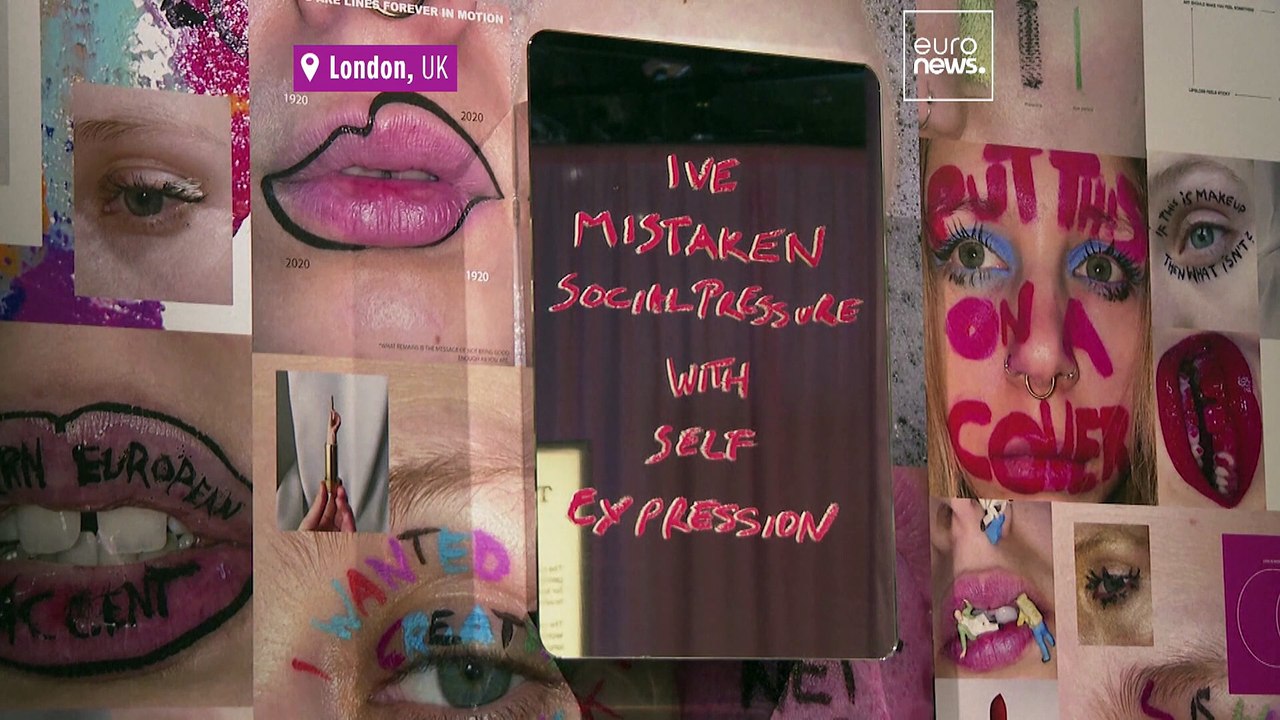
The Wellcome Collection, 183 Euston Rd, London NW1 2BE, until 28 April
It seems almost incredible that somewhere like the Wellcome Collection still exists. How has it managed to withstand austerity and the ravages of the pandemic, and retain its august building on the Euston Road, which could have been turned into a good few luxury pads for Russian oligarchs by now? The answer is that size matters: in 2020 it had a financial endowment, making it the fourth wealthiest charitable foundation in the world. Humble thanks s to Sir Henry Wellcome, source of this largesse, the success of whose pharmaceutical company spawned several research institutes, of which the Wellcome is one.
Over recent years the Wellcome Collection has mounted several ambitious exhibitions, and the Cult of Beaty is no exception. Its wide remit covers everything from the present-day cosmetics industry to perceptions of beauty through time and across cultures, drawing in exhibits from a large number of institutions.

Not surprisingly, one of the first exhibits you come across is a copy of the famous bust of Nefertiti, the original of which is housed in the Neues Museum in Berlin. I was intrigued to see it labelled as being the epitome of African beauty, since this image is surely just as potent for Europeans as well.
Still in the ancient world, the 1st century AD statue of the Esquiline Venus, discovered in Rome in 1874, became the paradigm of the female form for Victorian painters, and she reappears in many guises in their work.
Fast-forward to the present day, and it is Kim Kardashian who has assumed this mantle, and now it is sisters doing it for themselves.. Thanks to fillers and cosmetic procedures, it seems that anyone can look like her, and many opt to do so. The exhibition features the top ten ‘Influencers’ (or should that be sheeplike followers?) who have re-engineered themselves into the spitting image of their idol.
A hardline feminist might reject the practices of the cosmetics industry, but this exhibition also highlights the opportunities it gave women to enter the commercial sphere, from creating lotions and potions in 17th century pharmacies, to Helena Rubinstein in her white lab coat.
Lovely though it might be to slather on a fragrant new concoction, for much of history the contents of these unguents did not bear close scrutiny: the presence of lead in make-up used to enhance a lady’s pallor, for example. One print in the ‘Industry of Beauty’ section of the exhibition shows legendary 16th century courtier and power broker Diane de Poitiers drinking a tincture of gold to preserve her youthful looks. An examination of her remains found large quantities of gold in her hair, and it may have been this that killed her rather than a fall from her horse. Next to this print is displayed a bottle of Chantecaille’s £375 24k Gold Facial Serum – clearly alchemy is alive and kicking.
These are just a few of the highlights from this stimulating exhibition. With over 200 exhibits, including special commissions, there is plenty to think about, and it really needs more than one visit. It’s completely free, so why not?
But regardless of whether you can make it, do check out cartoonist Clarice Tudor’s evil beauty industry bunnies as they devise ever-more outlandish ruses to make us feel bad about ourselves:
Fascinating! I’d love you to go to the Biba Exhibition at Bermondsey’s Fashion & Textile Museum and report back, as I’ve no chance of getting there!
Will do! I had no idea it was on.
Fascinating, Verity. Thanks for sharing it .
Thanks! I forgot to mention that the Wellcome Collection also has rather a nice cafe and shop!