
Look for the Lady
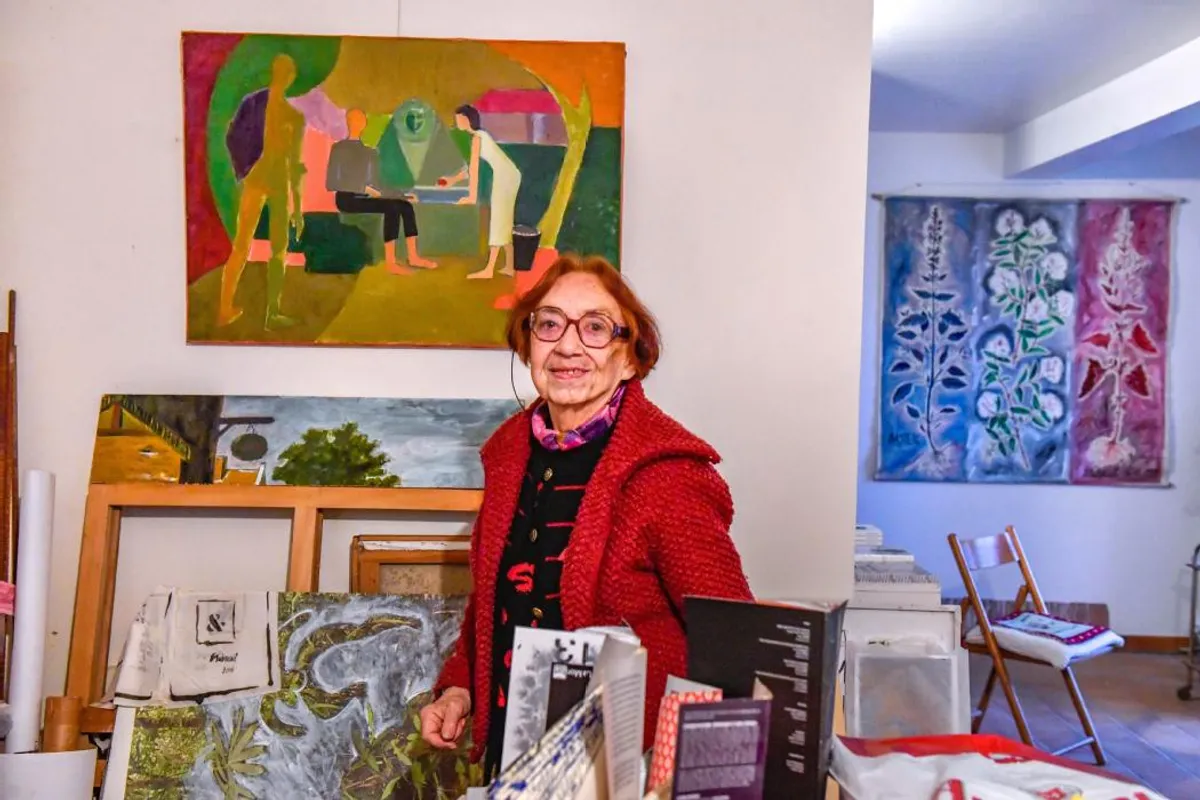
When Eugénie Dubreuil retired from her profession of art teacher, she stumbled into a new career as a collector and curator. She knew she wanted to continue her involvement with art and art history, and now she had the time to explore salerooms and art markets.
Drouot, the Paris auction house that is the oldest public art auction institution in the world, was the scene of her subsequent epiphany. It was disposing of works owned by the poet Guillaume Appollinaire, and Dubreuil was stopped in her tracks by an exquisite sketch on a piece of paper torn from an exercise book: an unsigned work by Marie Laurencin, going for a song. She snapped it up and her fate was sealed. ‘I started buying works by women, and it became addictive. It was such a joy to discover these works, to browse the catalogues. I started a whole new life.’
Inevitably, there were times when she simply couldn’t afford to buy one of her finds, such as when she came across a painting by the Italian artist Sofonisba Anguissola (15321625). ‘I didn’t have a great choice, because I was constrained by price – my upper limit was usually €200–300. Sometimes I paid more, but then I really had to tighten my belt.’
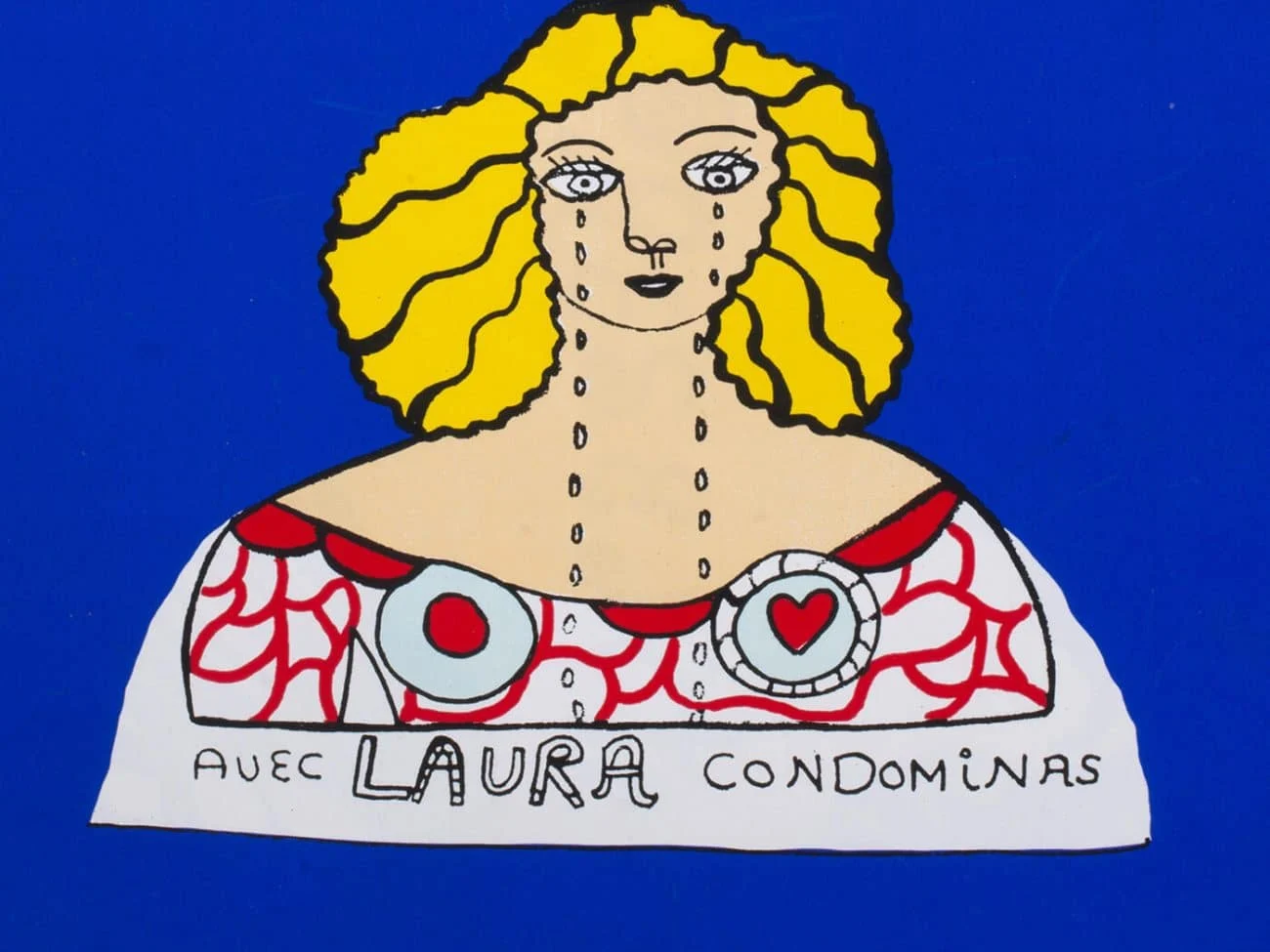
Nevertheless, over the past twenty-five years she has assembled a collection of 523 items in various media, including works by Rosa Bonheur, Suzanne Valadon, Berthe Morisot and Niki de Saint Phalle. The oldest of these works is a set of twenty-four engravings dating from the 17th century by Claudine Bouzonnet-Stella. Art expert Camille Belvèze describes as beautiful – and important – this group of engravings by an artist who was widely known in her time. Since then, like so many others, she has faded from view.
It was this tendency for women artists to disappear that made Dubreuil realise that she needed to ensure the continuity of her collection and not allow it to be dispersed after her death. Inspired by the example of the National Museum of Women in the Arts in Washington, she began approaching museums to offer them her collection. Amazingly, they turned her down, unable to see the attraction of such a collection.
Finally, a friend advised her to consult Séverine Sofio, sociologist and author of a book on the brief opportunity for women painters to flourish in the period 1750–1850. Surely she would know curators who would be receptive to the idea of this collection.
When Sofio visited Dubreuil’s tiny studio, she was staggered by the quantity of works she found there: the walls were hung from floor to ceiling with sketches, paintings and photos; elsewhere pictures were piled high – with great care. Sofio suggested that Dubreuil try the museum at Brive La Gaillarde, her home town, in the first instance, but they didn’t want to know. The Musée Sainte Croix in Poitiers proved to be a perfect match, given its track record in rediscovering and correctly attributing works by women. It eagerly accepted 300 pictures from Dubreuil’s collection, and these are on display at the museum until 18 May.
Now 87, Dubreuil can look back on a career built on following her instincts . Her mother encouraged her to draw, and she was fortunate to have as her art teacher at school Anna Garcin-Mayade, a pupil of Renoir and friend of Suzanne Valadon. Garcin-Mayade is renowned for her images of Ravensbrück concentration camp, where she was deported in 1944. ‘It’s thanks to her that I studied art’, says Dubreuil.
A significant strand in her collection was formed when she was working out of her studios in Paris and Argenteuil, swapping pictures with artist friends – not with any intention of creating a collection, rather as a natural outcome of joint shows.
The past quarter century may have revealed to Dubreuil how under-represented women artists are, both in galleries and in the literature, but she has single-handedly made them much harder to overlook.
Comment *
Hi Jeanne, it looks as though you may be having difficulties leaving a comment. I think we need to upgrade our site!
A fascinating article, Verity.
A dame indeed!
Sorry – half-term mayhem meant I didn’t spot your comment earlier. I’d love to see the exhibition.