
Behind a Mask
Louisa May Alcott, Vintage Classics, 2026 (first published 1866)
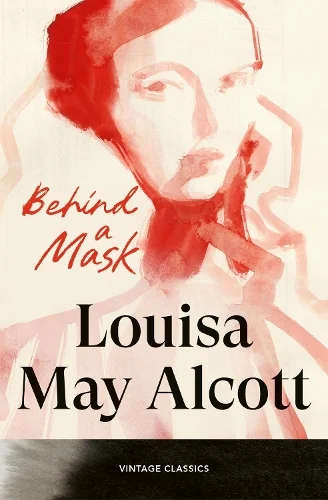
Little Women was one of the most formative reads of my childhood. The first time I cried over a book was when Beth died (not least because, it has to be said, I had chosen her and her romantically doomy destiny over Jo’s rumbustuousness), and I took to heart its moral lessons about honesty, patience and self-sacrifice.
So it came as something of a surprise to me to read Behind a Mask. In my ignorance, I knew nothing about her writing beyond the four books about the March family. And then the book itself: not what I was expecting. Both in its structure and its moral universe, it could not be more different from Little Women and its sequels.
Miss Muir arrives at the rather grand house of Mrs Coventry to be governess to her daughter Bella. This post is a lifeline for her, a ‘pale-faced girl in her plain black dress’, since circumstances forced her to leave her previous post in some haste. She makes a favourable impression on most of the family with her humble and obliging demeanour, but alone in her room, the veil is cast aside: ‘Now she was alone, and her mobile features settles into their natural expression, weary, hard, bitter. She had been lovely once, happy, innocent and tender; but nothing of all this remained…’
This is Alcott’s daring move: we know Jean Muir (yes!) is not what she seems almost from the start. It is the jeopardy that her duplicitousness places her in that draws the reader along.
Miss Muir wastes no time in making herself indispensable, anticipating her hosts’ every need, suggesting additional services she could render them, and above all being a surprisingly sparkling companion, full of fascinating stories and engaging conversation. Ned, Mrs Coventry’s younger son, falls head over heels in love with Miss Muir, but the older one, languid, overprivileged Gerald, remains deeply suspicious and makes no secret of this.
It took an awfully long time for it to dawn on me that the book is actually set in England. References to Lady X and Lord Y failed to register, and it wasn’t until lovelorn Ned announced that he was taking his broken heart to London to grieve that I was jolted out of my New England assumption.
Now with Ned out of the way, Miss Muir is able to focus her considerable talents on breaking down Gerald’s defences. (He is the one who stands to inherit, after all.) She kicks off her campaign with a feigned indifference towards him that he finds maddening. But the evening of amateur dramatics that she engineers quickly brings her the result she wants. Gerald has an epiphany: ’Now, as he knelt there with a soft arm about him, a slender waist yielding to his touch, and a maiden heart throbbing against his cheek, for the first time in his life he felt the indescribable thrill of womanhood…’
We are a long way from the homespun homilies and simple piety of the Little Women series here. Who knew Alcott could plumb such wells of sensuality and moral turpitude? Or display such cynicism in her portrayal of some of the overprivileged, spiteful or just plain gormless people who surround Miss Muir? I shall not reveal whether Miss Muir achieves her goal, but I can guarantee that even though you know she is a scheming gold digger, you will be cheering her on through plot twists, concealed letters, narrowly averted encounters and the rest.