
Down with Disney
The first film I ever remember seeing in the cinema was Bambi. I was enthralled, wept buckets when (spoiler alert) Bambi’s mother was killed, and the whole experience is etched on my memory even more clearly because on the way into the cinema an old man fell on the concrete steps and cut his head open – exactly the sort of distressing incident my parents tried to shield me from!
I was similarly captivated when Dame L and I went to see The Jungle Book. She had been humming the tunes for weeks and finally here we were on our half-term treat, bouncing along to Baloo and getting drawn into Kaa’s spiralling evil eyes. We loved it.
I’m sad to say I’ve now fallen completely out of love with Disney. It’s been a slow process, and no doubt an inevitable part of growing older, but the offences against the sisterhood have become hard to ignore.
For anyone steeped in The Female Eunuch and The Feminine Mystique, the emergence of the Disney princess, just as we thought we were getting somewhere, was deeply distressing. The tide of candy-floss pink spreading from these characters has stained the globe.
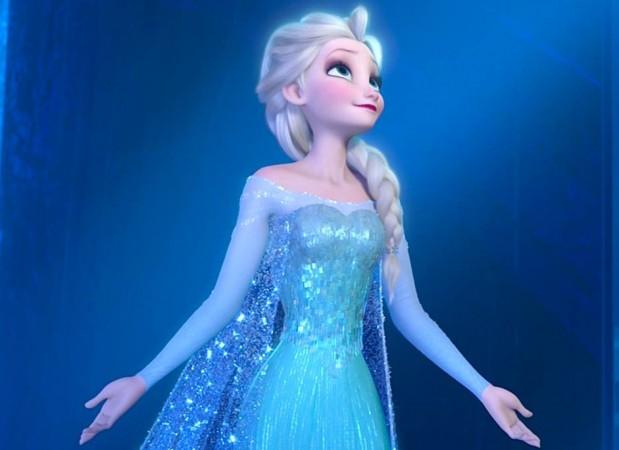
Yes, I know Frozen and more recent films have aimed to empower girls with their daring and proactive heroines – but have you noticed that these heroines are all feisty AND doe-eyed? [1}Little girls certainly will have, even if they could not articulate it.
And how about the world of 3D flesh-and-blood Disney girls? Between them the Mickey Mouse Club and the Disney Channel have turned out their own identikit blonde princesses such as Britney Spears, Christina Aguilera and Miley Cyrus. They are undoubtedly talented, writing their own songs as well as performing them, but they have all been through the mould created by male producers and marketers to become increasingly sexualised versions of themselves as they leave their adolescence behind, upping the ante for those that have followed them. For Britney Spears at least, this has contributed to disastrous consequences for mental health and family.
For me, the last straw came with the release of the mini-series Pam and Tommy. Perhaps I’d nodded off when they changed the rules about branding and image, because I thought that if your brand was associated with, at a superficial level, wholesome entertainment, you would want to keep it that way.
Disney is certainly rigorous in enforcing a no-smoking rule: it ‘prohibits product placement or promotion deals with respect to any tobacco products for any movie it produces.’ How does this square with Disney+ being the distributor of a mini-series about the leak of the sex tapes made by Pamela Anderson and Tommy Lee Jones?
Pamela Anderson repeatedly refused to have any input into the project, as it raked over one of the most traumatic episodes of her life. The New Statesman’s Rachel Cooke has pinpointed the problem with this mini-series better than anyone: ‘If the producers feel anything at all about Anderson’s humiliation, this film only adds to it: every shot is gratuitous, just another humiliation.’
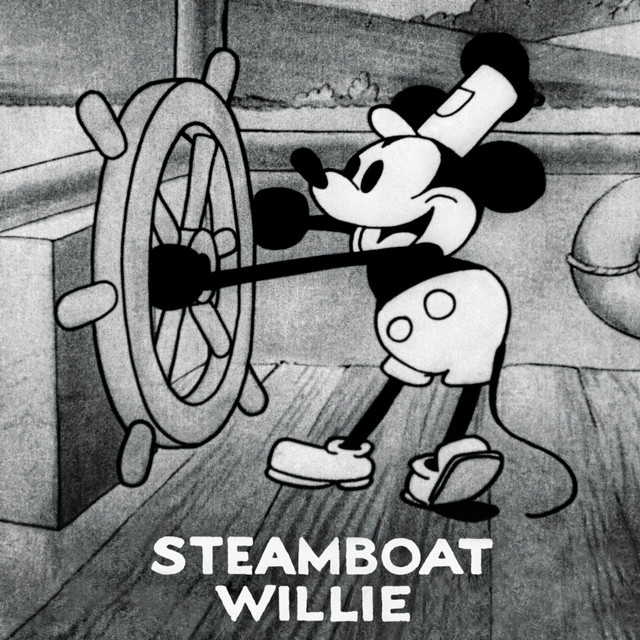
It’s a long way from the innocent pleasures of Steamboat Willie (I’m sure there’s a joke to be made somewhere, but it would probably be in poor taste) to what Disney has become: a purveyor of vacuous, unwholesome entertainment that embeds girls and women ever more firmly in their stereotypes.
[1] Unless they are Asian or Native American