
Doing It The Hard Way
Susannah Walker
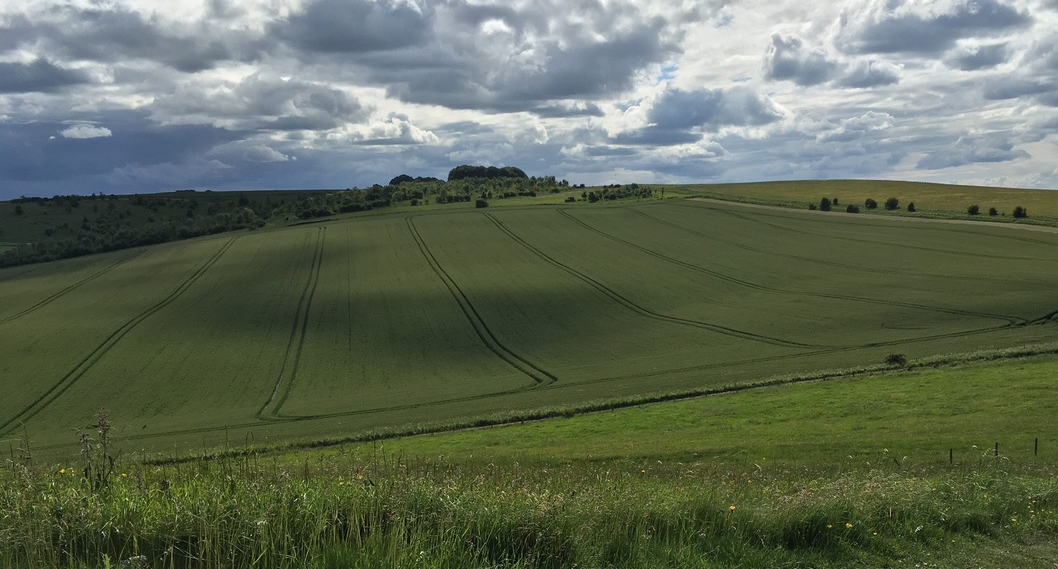
My book, The Hard Way, is about following two of the oldest roads in England, and what I discovered about nature, being a woman and walking away from home as I went.
I set out with no grand plans. All I wanted to do was go out and walk for one whole day as I used to do, to rediscover a part of me that had been lost to motherhood. I had no intention of following old roads from the centre of southern Britain all the way to their endpoints at the sea, and certainly had no thoughts of writing a book. These ideas all arose along the way.
Nor did I have any thought that I was setting out as a feminist to explore a male landscape; that too was something I discovered once I started walking. It seemed that women weren’t supposed to be out in nature.
One of the obvious hurdles is safety, or rather the lack of it. What stopped me walking on my own for many years was the fear of what might happen, but even when I got over this, I would still detour to avoid odd white vans parked for too long in laybys and tense up when male walkers approached me on the path. And then get infuriated that they never had to feel the same.
That wasn’t the only problem. It’s quite hard to find nature in the English countryside. Almost everything you see is man-made – with a stress on the word man – and this is true in the greenest of places.
Let’s take Barbury Castle, a beautiful Iron Age hillfort on the Ridgeway with sweeping views across the downs. These places are called forts, evoking a masculine world of battle and war, even though archaeologists have no idea what they were actually built to do. War has left its mark though: the banks here were dug up by American servicemen to make a gun emplacement during World War Two, while just behind stand the former hangars of RAF Wroughton, wartime home of gliders and aircraft factories, but now filled with the Science Museum’s holdings of big objects like hovercrafts and bombs, while the old runway in front is now used by Top Gear for their filming. If that’s not male enough for you, the information boards at the entrance are a reminder that men go out and do work while women stay home to cook.
Men also determine how we see the countryside too. Delve into the history of a particular area, as I did with the chalk downlands of Wiltshire and Dorset, and you will find that it is men who have portrayed these places in words and paint.
This persists. If you look at the table of nature writing in your local bookshop, the odds are that the vast majority of what’s on offer was written by men.* But on my journeys I did also discover some women who had painted and written about the places I saw. We just need to remember that they are there. Because women have a right to roam as well as men.
* When I proposed this book, the reaction of several publishers and agents was that, oh, that’s been done. By which they meant that two books about women walking had been published recently, one about abroad, the other about the history of some women who had climbed mountains. Judging by the bookshop tables, there is no similar limit to the number of men who are allowed to go for a walk and then write a book about it.

The Hard Way is being produced by Unbound, who work on a combination of crowdfunding and normal publishing. Once it is 100% funded it will go into bookshops – but for now you can pledge for a copy (and it’s at 94% so it will happen). So please do pledge and get the story of women walking out into bookshops as soon as possible.