
Paradoxes of our Time #3: Triggered!
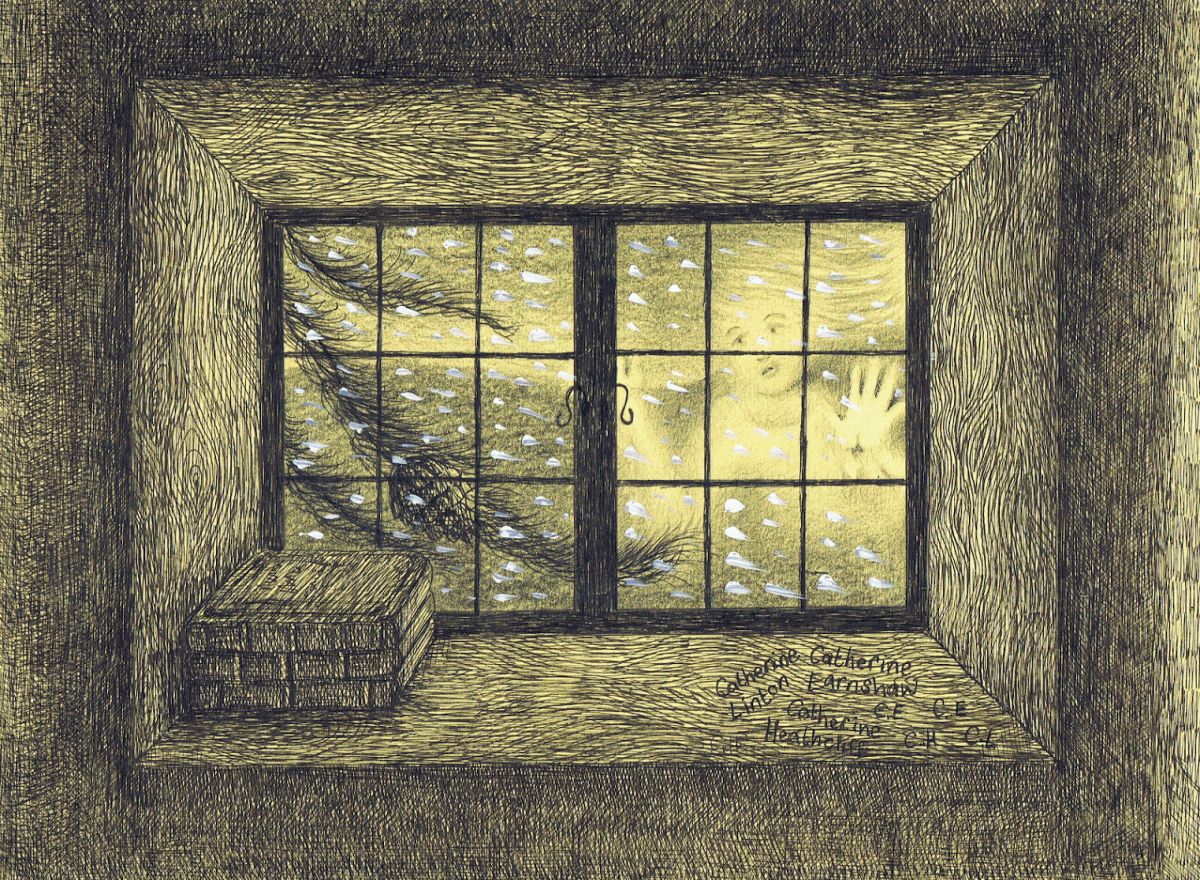
I would be the first to admit that I had a very sheltered childhood. Any unpleasantness was kept firmly at bay. I remember rounding a corner with my mother to find an intriguing-looking fracas in progress outside the pub up ahead. We crossed the road swiftly. When I asked what was going on, she replied, in her unmistakeably ‘I-will-not-be-taking-any-further-questions-on-this’ voice, ‘It’s just two men being very silly.’
The concept of ‘not suitable’ loomed large. Dixon of Dock Green (!) was not suitable, even though he followed hot on the heels of Dr Who. Try as I might (start a new conversation, look for something under the sofa), I was not allowed to remain in the sitting room once the theme tune started. It was bath time, bed time, any time other than Dock Green time. Clearly its mix of petty thieves, young women who were no better than they should be, and lowlifes prepared to push a copper off his bike would deprave and corrupt me instantly, and I would be traumatised by the carefully choreographed fisticuffs.
This is why I was amused and surprised to find that one of the books Dame B. and I had to study for A level, Balzac’s Cousin Bette, had as a central plot point the deliberate infection of two of the novel’s principal characters with syphilis. What would my mother say if she knew I was reading this book? It was obviously NOT SUITABLE.
What no one thought to protect me against, though, was Jane Eyre. What could be more suitable for a bookish girl than a nice Sunday afternoon BBC adaptation of a classic novel? They had not counted on the episode early in the series when the young Jane is locked in a room: ‘my heart beat thick, my head grew hot; a sound filled my ears, which I deemed a rushing of wings; something seemed near me; I was oppressed, suffocated…’ – even in black and white, it was terrifyingly realised, preying on my imagination for months to come.
And now some universities are providing, in response to some students demanding, trigger warnings about classic texts. The debate about this shows no signs of going away: Cardiff University’s prospectus features a content warning about a module covering Wuthering Heights, to the effect that it contains ‘distressing’ material, to wit, themes of misogyny, racism, homophobia; and ‘graphic representations of physical and sexual violence.’
Yet these are the generations of students that have grown up with live violence on YouTube, and the rest. The statistics make for depressing reading:
- according to Ofcom, 73% of children aged 11 to 17 are exposed to at least one type of harmful content in a four-week period
- Children’s Commissioner Rachel de Souza reported that in a roomful of 15–16-year-olds that she was addressing, 75% had been sent a video of a beheading
- she also reported that 70% of children surveyed in 2025 had been exposed to porn before the age of 18, with the average age being 13
Why were no trigger warnings demanded or expected for any of this material? How could the scenes of violence and domestic coercion in Wuthering Heights, written in the highly decorous language of Victorian Britain, possibly evoke a more traumatised response?
I think one can safely assume a degree of overlap in the populations encountering extreme online material and those studying literature – or going to the theatre, where trigger warnings have also begun to proliferate. Surely the message that schools at least ought to be getting across is that conflict, adversity and the worst as well as the best of human behaviour have always been the stuff of literature, and however distressing at times, confronting this material is what helps us process our own experience and empathise with others.
Depressing reading indeed to see how our young people are exposed to porn and violence.
Trigger warnings are needed perhaps on some worrying trends in publication but the classics?
I agree Verity that the stuff of literature includes the best and worst of human behaviour… a link with Barbara’s blog? Many thanks Dames!
Sorry to respond so late – I’ve been away without the damesnet password! Just as a small corrective to the horrors in my blog, I did hear a very heartening interview with some teenagers who were using the web as a force for good: actively supporting friends having a hard time, researching green options, activism, etc. Perhaps they should design a curriculum!