
Women of Influence: The Pattle sisters
Watts Gallery, Compton, Surrey, till 4 May
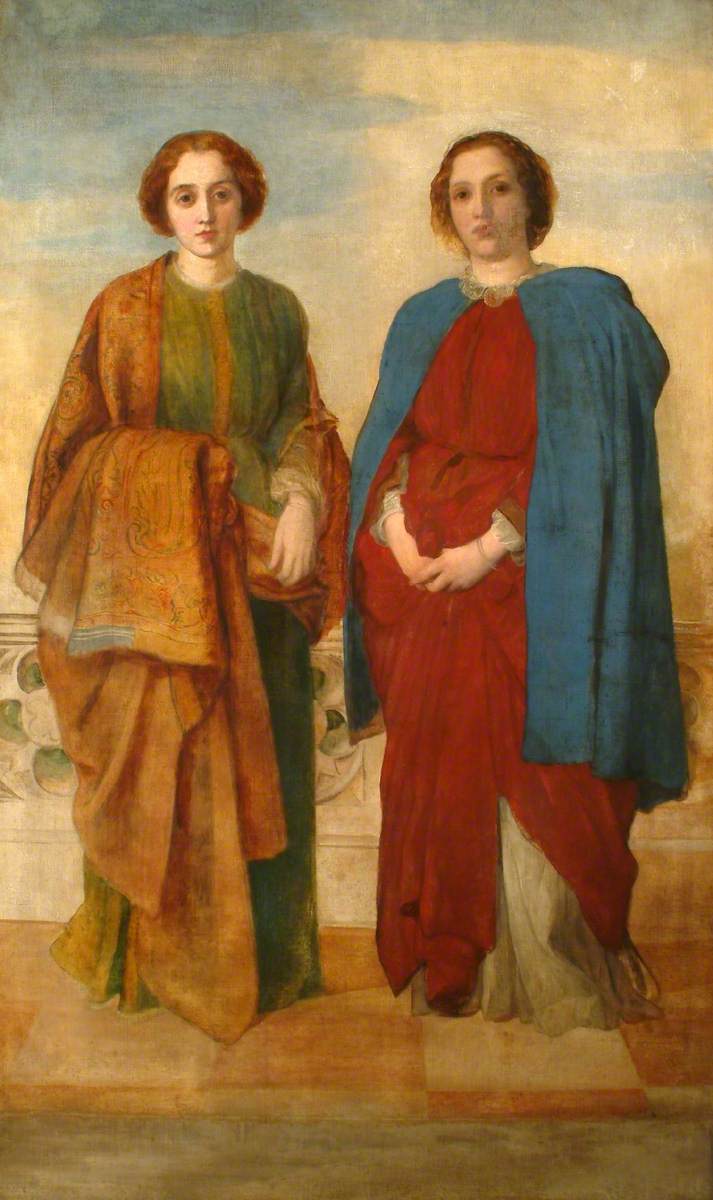
A group of talented and influential sisters? Cue the refrain ’Why haven’t I heard of them?’. ‘Pattle’ is not a name you forget easily. Here at least the answer is clear: they married and the name ‘Pattle’ disappeared, obscuring the impact they had on the artistic and cultural circles in which they moved. This fascinating exhibition at the Watts Gallery draws back the curtain on their story.
Once upon a time there were seven sisters: Adeline, Julia Margaret, Sara, Maria, Louisa, Virginia and Sophia. Thackeray conferred the title of ‘Pattledom’ on the sphere of influence presided over by these illustrious women. They were certainly daughters of empire: their father, James Pattle was a civil servant in the East India Company (and a scholar and ardent promoter of Indian/Sanskrit culture). Their mother was French: Adéline de l’Étang. (Ignoble thought: what a wrench it must have been to trade the surname ‘de l’Étang’ for ‘Pattle’!)
Though they were born in India, the girls were educated in France, where they lived with their grandmother, Thérèse de l’Étang. They travelled constantly between Europe and India – the fourth sister, Maria, was even born at sea, and the eldest died at the age of 24 on a journey from India to England. The next sister down is the one whose name many people know: Julia Margaret Cameron, pioneer of photography. The third sister, Sara, married Thoby Prinsep, and her household, at Little Holland House in Kensington, became a hub of cultural activity and a haven for her younger sisters after the death of their parents.
In November 1845, only two months after the death of her husband, Adéline Pattle died on board a ship returning from Calcutta with her three youngest daughters. By this time, Sara and Thoby Prinsep had been living in Little Holland House for three years, so Louisa, Virginia and Sophia joined a busy household: the Prinseps had four children and a house guest, the painter G.F. Watts, of whom Sara said, ‘he came for three days, he stayed for thirty years.’ (It was in reality only twenty-four years, but still… ) And no wonder: the Pattle sisters provided Watts with models on tap for his paintings and drawings, and he included them in the series of paintings on the dining room wall of Little Holland House entitled The Progress of the Human Race.
Little Holland House became a significant cultural salon, attracting the glitterati of London: Thackeray, Holman Hunt, Burne-Jones, Tennyson. Holding their own among these giants of Victorian culture, the Pattle sisters were a considerable draw in their own right. From their Bengali great-great-great-grandmother they had inherited their exotic looks: ‘They sounded and looked differerent. They spoke Hindustani and served Indian food.’ Their adoption of an Indian-inspired aesthetic was a conscious – and collaborative – choice.
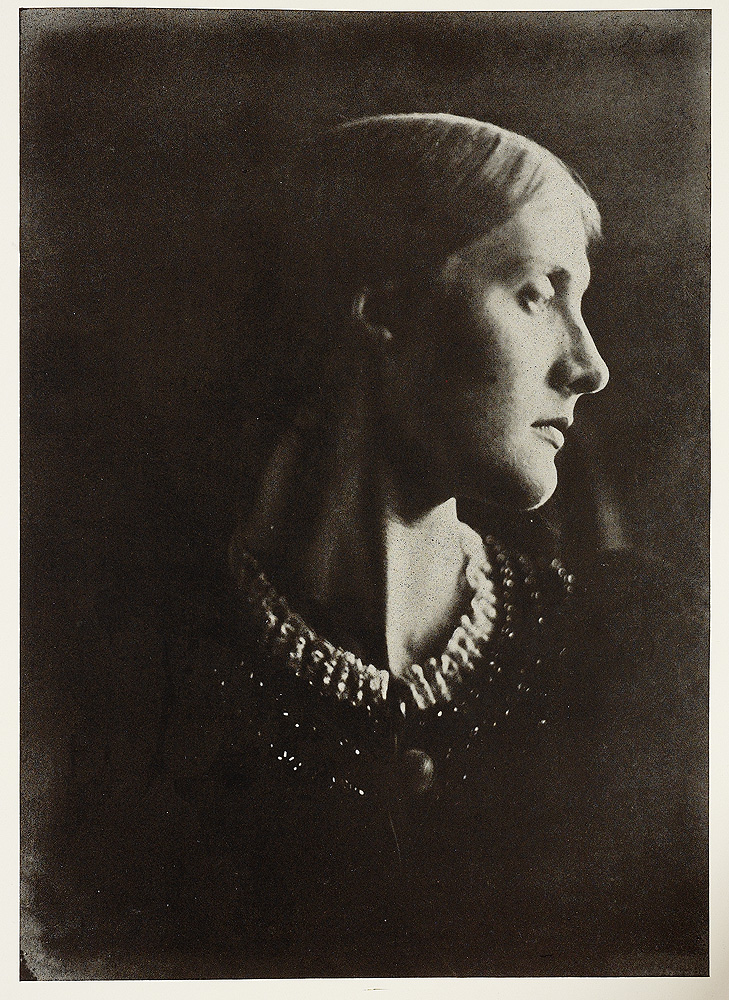
Though not all the sisters may have made the tangible contribution of Julia Margaret Cameron with her camera, or of Sara Prinsep in actively nurturing artistic talent (she is said to have virtually kidnapped Burne-Jones when he was suffering from exhaustion so he could recuperate at Little Holland House), each of them added to the charmed atmosphere of the place. Here is what Sophia brought to the household: ‘Aunt Sophie wandered in dressed in a gown of some rich colour, all full of crinkles… before she had been amongst us three minutes the whole party was laughing and talking.’ Virginia was instrumental in getting a commission for Watts to paint a large mural at 7 Carlton House Terrace.
Between them the sisters ushered in a more relaxed and liberal culture, far removed from orthodox Victorian convention, and their influence continued down the generations: Maria’s daughter Julia married John Jackson and became the mother of Virginia Woolf; her granddaughter Adeline married Ralph Vaughan Williams.
The strength of their sisterhood (often represented in portraits by the inclusion of ‘rakhis’, bracelets of woven threads exchanged between sisters in India.) upheld the richness of the subcontinent’s heritage and infused the culture for generations to come.
What a fascinating read. Love the way those fabulous women tempted the art scene with a nice hot curry! It never fails….
Yes – so much more potent than a Bath bun!
Why haven’t I heard of them? I feel that their legacy should be more well known even if the Pattle name has faded.
What a family of talent and diversity. They deserve more exposure .
Thanks Verity for sharing this fascinating insight.
Thanks! I must give a shout-out to my sister for alerting me to this exhibition