
Paradoxes of Our Time#2: Fake It Till You Make It/Be Yourself
So which of these 21st century mantras is right? Because I’m confused. Polonius’s advice to Hamlet was ‘To thine own self be true’, and he continued ‘and it must follow, as the night the day, thou can’st not then be false to any man.’ To be honest, I think this advice to be authentic is overrated. Boris Johnson was authentic and people loved him for it – and look at the lasting damage he caused. Let’s face it, some people have authentic selves that are just not very nice, and we’d all be a lot happier if they’d put some effort into suppressing their authenticity and at least pretending to behave like a decent human being.
There’s also quite a lot of online grumbling about ‘code-switching’, which is defined as moving between two or more communication styles, depending on the company you’re in. People report feeling resentful at having to do it, since it draws them into inauthenticity. I have some sympathy with the idea that it can feel as if you are betraying – or at least failing to stake a claim for – your cultural roots, but we have all done it, all the time, from our earliest years. The child playing outside with friends will be cheerily trading insults but will instinctively tone it down the minute they step over the threshold into the house. It’s not an imposition, simply a mechanism for ensuring people are communicating on the same plane.
Some individuals also feel that their authenticity trumps everyone else’s sensibilities. By way of example, I can’t help thinking of the case of a young gay woman whose mother had advised her against coming out to her frail, elderly grandmother, as she would be extremely disturbed and distressed by such a revelation. The young woman felt that it was intolerable that she should be expected to ‘live a lie’, yet surely accepting that her grandmother was from another era and sustaining the pretence (in this one area) for a few more years would be preferable to inflicting the pain that would follow any disclosure?
We all accept that a degree of inauthenticity is the bedrock of professionalism. It doesn’t mean that you have to suppress the moral instincts behind your actions and decisions. It just means you have to refrain from voicing out loud your opinion that your colleague is an absolute shower who couldn’t draft their way out of a paper bag. I had colleagues who complained that they never knew what I was thinking, but believe me, they were better off that way.
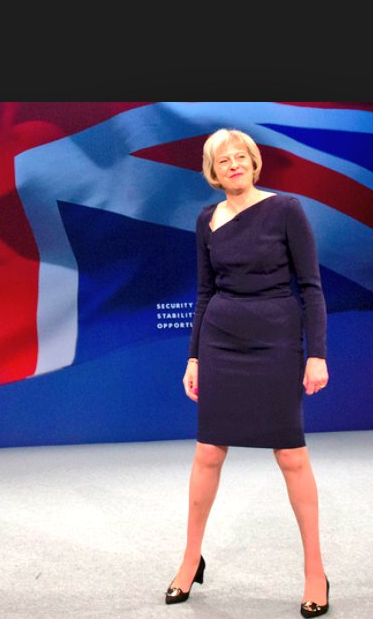
In the professional sphere, many women testify to the power of ‘faking it till you make it.’ Not being possessed of the boundless, yet often groundless, confidence of men, they have had to pretend to be serene and in control, all the while keeping a firm lid on the gibbering wreck rampaging inside them. In time, they have managed to grow confidence and step into their power. But it’s a risky business: it can take its toll on one’s mental health, and it doesn’t always go as well as intended – think of Theresa May’s ill-advised forays into this territory, namely the power stance and boogieing up to the podium… Oh for the days of Clement Attlee, when you could be as uncharismatic as a turnip and it didn’t matter.
So if these recipes for success cancel each other out, how to proceed? I’d say remember the power of disarming honesty – but only deploy it if you’re sure it won’t frighten the horses. Beyond that, the notion of common courtesy, and a concomitant focus on the needs of others rather than your own shortcomings will get you a long way. Paging Dale Carnegie!
I’m not sure I can forgive you for the pic of Theresa May and the memory of the boogie…
but I enjoyed the blog!
True – I should probably have used the picture of George Osborne doing his power stance. Even more absurd!